Detailed Look At HVAC Training Programs For Aspiring Technicians
Career & Education
|
March 19, 2026
With continued demand for skilled HVAC technicians, do you know how to choose the right training program? Faced with a dazzling array of educational options, how do you find a path that aligns with your career goals? This course will guide you through the many HVAC training programs available, helping you confidently step into this dynamic industry.
What is HVAC, and Why Choose It?
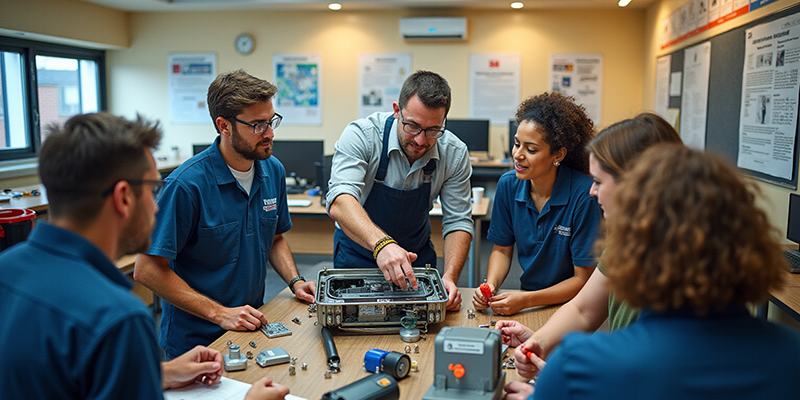
HVAC, which stands for Heating, Ventilation, and Air Conditioning, is an essential system that underpins modern infrastructure. These systems are pivotal in regulating indoor climate, contributing to comfort through effective temperature control and air quality. HVAC installations not only enhance personal comfort but also promote health and safety by managing air purity and preventing mold growth, which can pose significant risks.
For those considering an HVAC career, here's what to expect in terms of salary and career opportunities:
1. Starting Salary: Entry-level HVAC technicians can expect a starting salary ranging from $30,000 to $40,000 per year, depending on the geographical location, cost of living, and local demand for HVAC services.
2. Qualifications for Higher Salaries: Technicians with several years of experience, specialized certifications, or skills in advanced HVAC technologies, such as energy-efficient systems or green building solutions, can earn significantly more. Salaries for experienced technicians or those specializing in industrial systems can range from $50,000 to $70,000 or higher.
3. Residential vs. Industrial Work:
Residential HVAC: Typically involves installing, repairing, and maintaining heating and cooling systems in homes. This often requires a strong understanding of customer service and technical skills.
Industrial HVAC: Involves working with larger and more complex systems in settings such as factories, hospitals, and office buildings. This may require specialized knowledge of industrial-grade equipment, an understanding of blueprints and technical drawings, and the ability to manage larger-scale projects.
4. Job Variations: Work in HVAC can range from routine maintenance and emergency repairs to complex installations and energy assessments, providing a broad scope of activities and challenges that keep the job engaging for those who enjoy variety and problem-solving.
Types of HVAC Training Programs
Community Colleges
Community colleges offer affordable, accessible HVAC training programs, typically lasting six months to two years—they provide flexible course formats, including evening and weekend classes, to accommodate working individuals. Students can build foundational skills and gain the knowledge needed for entry-level roles in the HVAC sector without incurring significant debt.
Vocational Schools
Vocational schools focus on hands-on training, a valuable approach for those who favor practical experience over theoretical instruction. These programs typically last 6 to 12 months and culminate in certification, equipping graduates with the essential skills for real-world settings. This emphasis on experiential learning prepares students to effectively meet immediate labor market needs.
Technical Colleges
Technical colleges offer advanced training through a comprehensive curriculum, often including specialized programs and the option for associate degrees. Program duration can range from one to two years, depending on focus areas. Many technical colleges collaborate with industry professionals to ensure their curriculum aligns with current HVAC technologies and practices, enhancing graduates' employability.
Key Components of HVAC Programs
A Heating, Ventilation,n and Air Conditioning (HVAC) course is essential knowledge for anyone looking to advance their career in the heating, ventilation,n and air conditioning (HVAC) field. A significant component of these programs is the coursework, which typically covers foundational topics such as mechanisms, refrigeration, and electrical systems. Additionally, many institutions offer specialized courses and electives in emerging technologies, enabling students to specialize in areas such as green energy systems and advanced climate-control techniques.
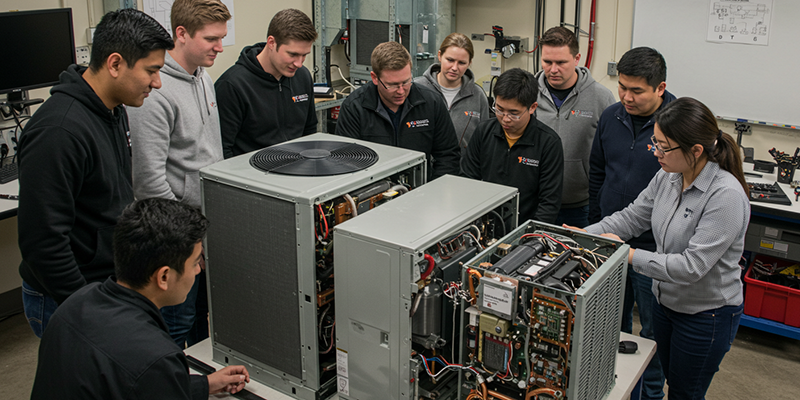
Equally important are the lab work and practical experiences that HVAC students undertake. Renowned schools such as the Universal Technical Institute and Lincoln Tech boast state-of-the-art lab facilities that replicate real-world work environments, providing students with invaluable practical skills.
Admission requirements for HVAC programs typically require a high school diploma or equivalent, along with standardized test scores. To strengthen their applications, prospective students should present relevant experience, secure strong letters of recommendation, and prepare thoroughly for interviews when required. Completing introductory courses in math and physics can also provide a solid foundation, significantly improving one's chances for success during the program.
How to Choose the Right School
Selecting the right school for HVAC training is a pivotal decision in starting a career as an HVAC technician. First, ensure the institution is accredited, which indicates it meets established educational standards. Accreditation can significantly enhance job prospects and eligibility for financial aid, while providing a quality education acknowledged by employers.
Location is another critical factor in your decision. Choosing a school nearby reduces commuting time, allowing you to balance your studies with work or family obligations. Many reputable institutions also offer online courses, offering flexibility for those currently employed.
When assessing schools, it's imperative to look into their reputation and rankings. You can research schools using resources such as the U.S. Department of Education and industry-specific websites, such as HVACR School. Rankings provide insights into program quality, faculty qualifications, and graduate success rates, helping you make a more informed choice.
Finally, review the cost of attendance and explore financial aid options. Tuition fees can vary widely among institutions; while it might be tempting to choose the most economical option, balance this against the quality of education on offer. Investigate scholarships, grants, and payment plans that schools might have, ensuring you select a program that aligns with your financial situation while setting you up for long-term success in the HVAC field.
Preparing for Graduation and Career Opportunities
Upon completing HVAC training programs, graduates typically earn a diploma or degree in HVAC technology and essential industry-recognized certifications. These certifications, such as EPA Section 608 or NATE (North American Technician Excellence), play a critical role in validating technicians' knowledge and qualifications for working with various heating, ventilation, and air conditioning systems. After graduation, the next step generally involves preparing for licensing and certification exams, often required by employers to ensure conformity with local and federal regulations.
For those entering the job market, prospects remain strong, with various opportunities available in both commercial and residential sectors. Technicians can pursue roles in installation, maintenance, and repair services, contributing to a continuously growing industry that demands skilled professionals across multiple settings, including homes, offices, hospitals, and industrial facilities. This positions graduates well to embark on a rewarding, stable career in HVAC.
Just For You

Smart Ways To Save Money While Traveling The World
May 12, 2026

What is Facial Massage and How Can It Benefit You
April 3, 2026

Can a Perfume Really Support Your Mood? Here’s What to Know
March 24, 2026

Flavorful Tea Cocktail Ideas With Simple And Easy Instructions
March 21, 2026

Best Bio-Based Biodegradable Baby Wipes for Sensitive Skin Kids
March 20, 2026

DIY Hair Masks for All Hair Types: Nourish, Strengthen and Shine
March 19, 2026
Recommended For You

Tips For Traveling On A Tight Budget Successfully

Best Honeymoon Destinations for 2026 Romantic Getaways for Every Couple

Weight Loss Diet Plan for Men: 5 Weeks to a Leaner Body

Modular Baby Strollers: Why Flexible Designs Are Gaining Popularity

Best Countries for Digital Nomads in 2026 With Visa Programs That Work